Buyer guide
Ceramic coating in Phoenix heat
Ceramic coating is useful in Phoenix because it adds UV, chemical, and wash-wear resistance while making dust and contamination easier to remove. It is not heat-proof armor, and it does not eliminate washing or water spots. Durability depends on paint prep, parking conditions, wash method, and maintenance after installation.
11 Mile Detail Co · 5 minute read
Questions this guide answers
Does ceramic coating protect against Phoenix sun?
How long does a coating last?
What affects ceramic coating cost?
Does ceramic coating prevent Phoenix water spots?
How should a coated vehicle be washed in Phoenix?
When is ceramic coating the wrong investment?
Does ceramic coating protect against Phoenix sun?
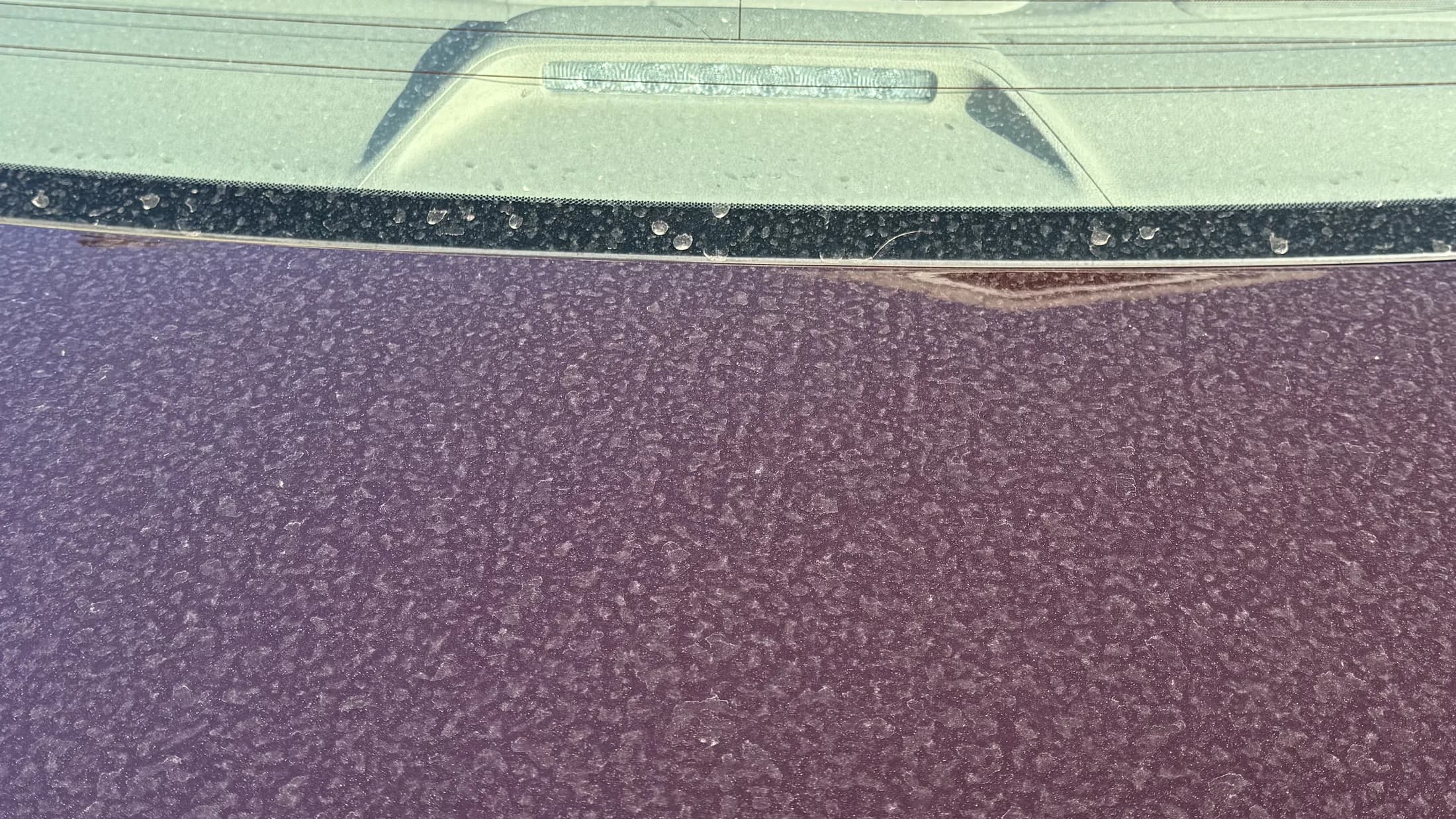
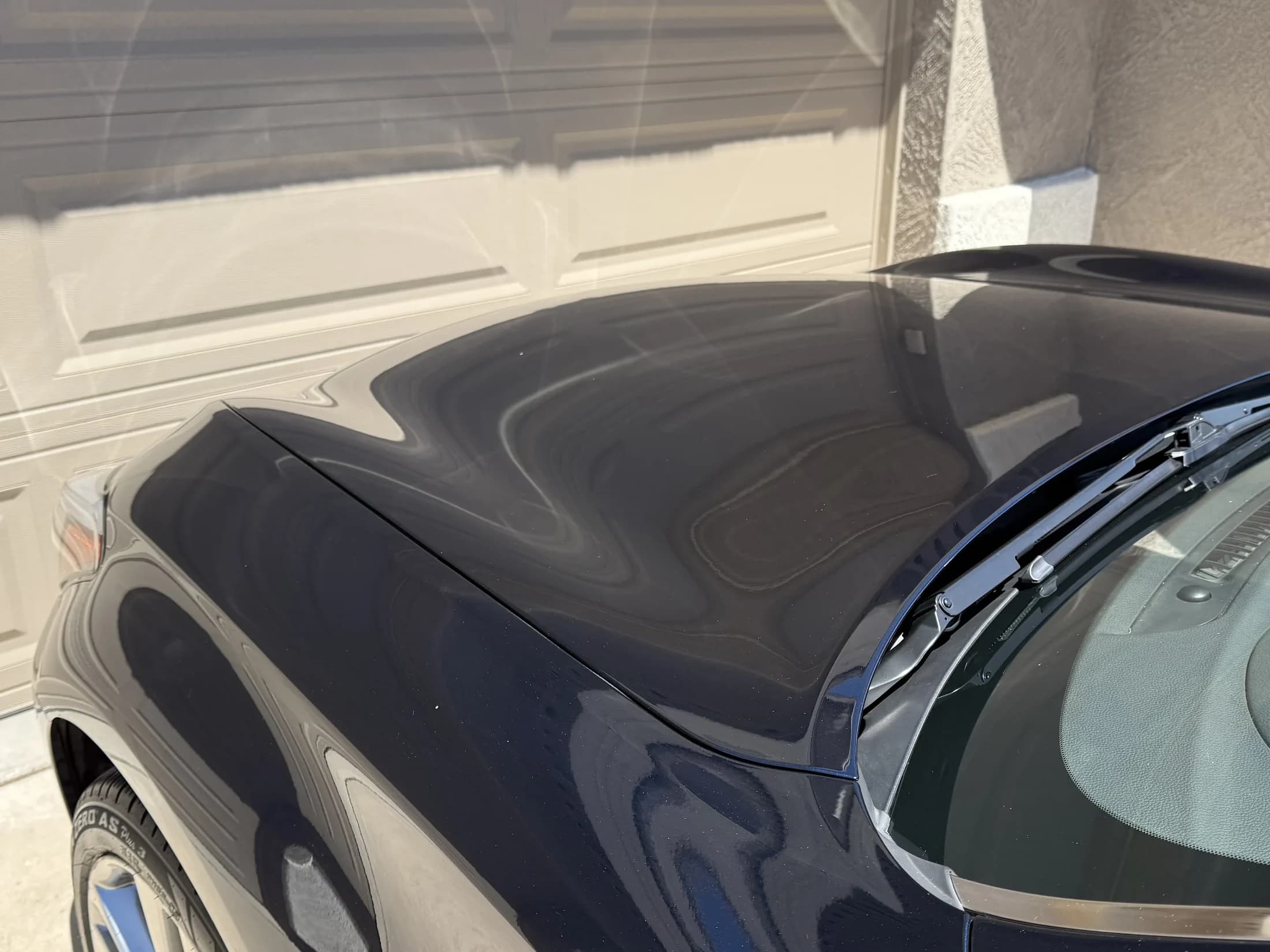
Ceramic coating adds a sacrificial, silica-derived layer over prepared clear coat. That layer helps resist UV exposure, bird droppings, bug residue, road film, and the light wash wear that accumulates during normal care. In Phoenix, the practical benefit is not that the coating blocks heat; it is that contamination has a more resistant surface to land on and is easier to remove before it etches the paint. Direct sun still heats panels, bakes mineral residue, and accelerates damage when droppings or sprinkler water sit. Shade and a garage improve the outcome because they reduce exposure and make safe washing easier. The coating buys protection and maintenance headroom, not permission to ignore the vehicle.
Phoenix heat makes wash habits, shade, and maintenance more important because neglected contamination can still damage the finish.
How long does a coating last?
The coating tier sets an expected window, but the vehicle's life decides how much of that window is useful. At 11 Mile Detail Co., Ocotillo is the entry two-year tier, Saguaro is the balanced five-year tier most owners choose, and Ironwood is the 7+ year flagship tier with annual in-person check-ins. A garage-kept vehicle washed by hand gives any tier an easier job than an outdoor vehicle run through abrasive tunnel washes. Phoenix dust, monsoon residue, sprinkler minerals, and high panel temperatures increase the consequence of poor wash timing. Durability claims also assume the paint was properly corrected, stripped of polishing oils, coated per panel, and allowed to cure in controlled conditions. Product life and good appearance are related, but they are not identical promises.
What affects ceramic coating cost?
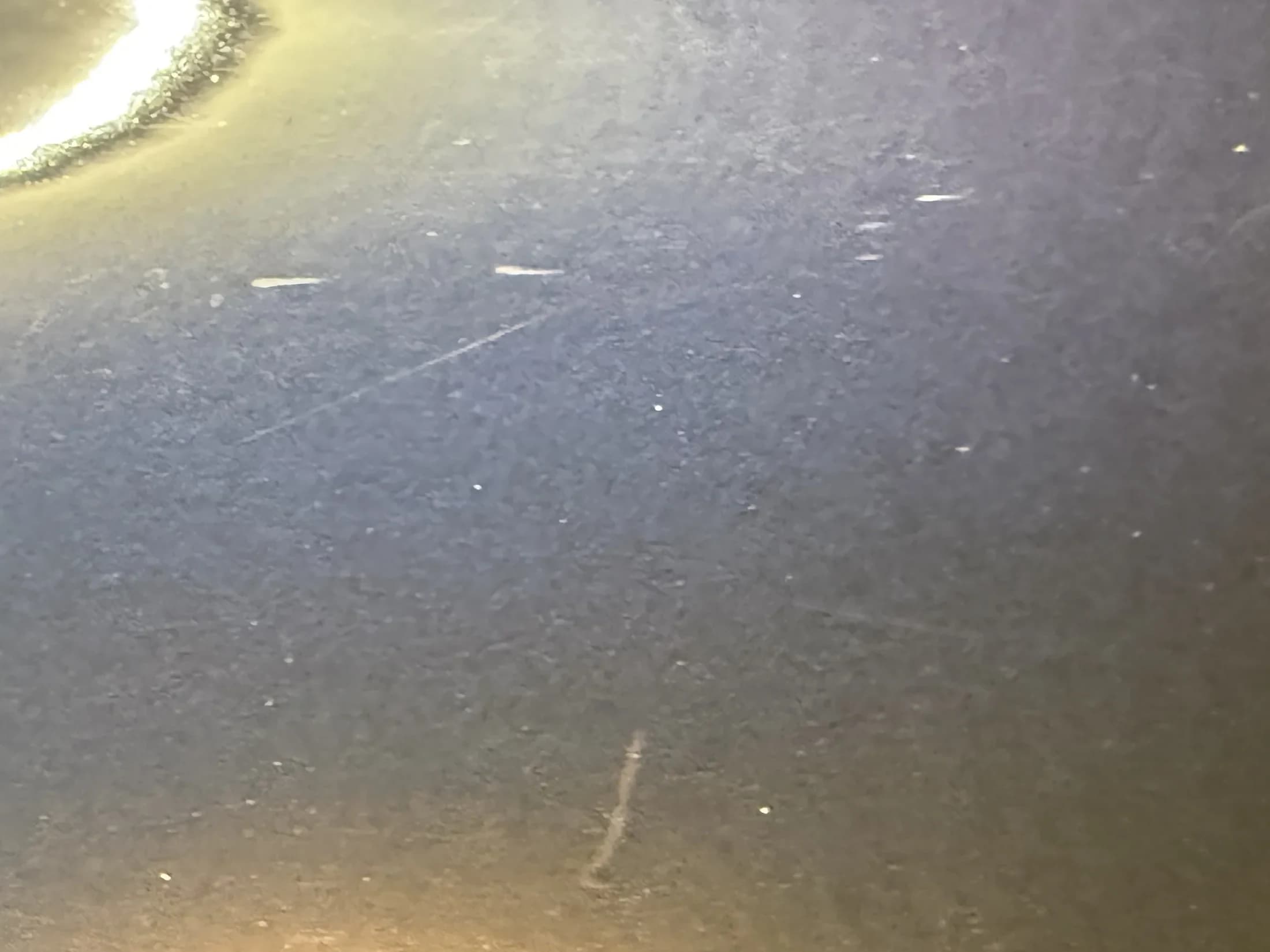
Cost starts with vehicle size and the protection tier, then moves with paint condition. Published car pricing begins at $1,049 for Ocotillo, $1,849 for Saguaro, and $3,099 for Ironwood; midsize and full-size vehicles require more material and labor. Every package includes at least an Enhancement polish because a coating preserves what is underneath. Heavier swirls, etching, or haze may require two-stage or show-level correction before installation, which changes both price and time. The work also includes decontamination, panel wipe, per-panel application, controlled cure, and final inspection. When comparing quotes, ask what correction is included, how the coating is cured, what maintenance is expected, and whether the installer inspected the paint before naming a final number.
Does ceramic coating prevent Phoenix water spots?
No coating makes mineral water harmless. Hydrophobic paint sheds much of a rinse quickly, but the droplets that remain can concentrate calcium and other minerals as they evaporate. Phoenix irrigation overspray and hard tap water are common sources, especially when a hot panel dries before it can be towelled. Fresh deposits may come off with the right wash or mineral-removal process. Etching means the residue has changed the surface and may require polishing. Wash in shade when the panel is cool, use filtered or softened rinse water when practical, dry deliberately, and remove sprinkler spots early. A coating generally makes that work easier and gives the clear coat another barrier, but it cannot change the chemistry of the water landing on it.
How should a coated vehicle be washed in Phoenix?
Rinse loose dust before any mitt touches the paint. Use clean tools, pH-neutral soap, and separate wash media for wheels and bodywork. Work in shade or during a cooler part of the day so soap and mineral-rich water do not dry on hot panels. Dry with clean, soft towels or filtered air rather than letting the vehicle spot. Remove bird droppings, bug residue, and monsoon grime promptly instead of waiting for the next convenient wash. Avoid automatic brushes and harsh all-purpose chemicals; both can reduce gloss and water behavior long before the coating's chemical layer is gone. If the surface stops shedding water evenly after a proper wash, schedule a condition check rather than stacking random toppers over contamination.
When is ceramic coating the wrong investment?
Coating is a poor fit when the paint has failed clear coat, unresolved body damage, or defects the owner expects the coating itself to hide. It also makes little sense when the vehicle will continue through abrasive tunnel washes and the owner does not want to change that habit. A short ownership window can weaken the value case unless presentation and easier maintenance matter during that period. For a neglected vehicle that first needs interior recovery and exterior decontamination, a Complete Detail may be the honest starting point. For paint with heavy swirls, correction is the decision before coating. We recommend the protective layer only after the surface, ownership plan, storage, and wash routine support the cost.
Want honest eyes on your paint?
The inspection is free and the quote follows the paint. No obligation either way.