Buyer guide
Paint correction vs ceramic coating
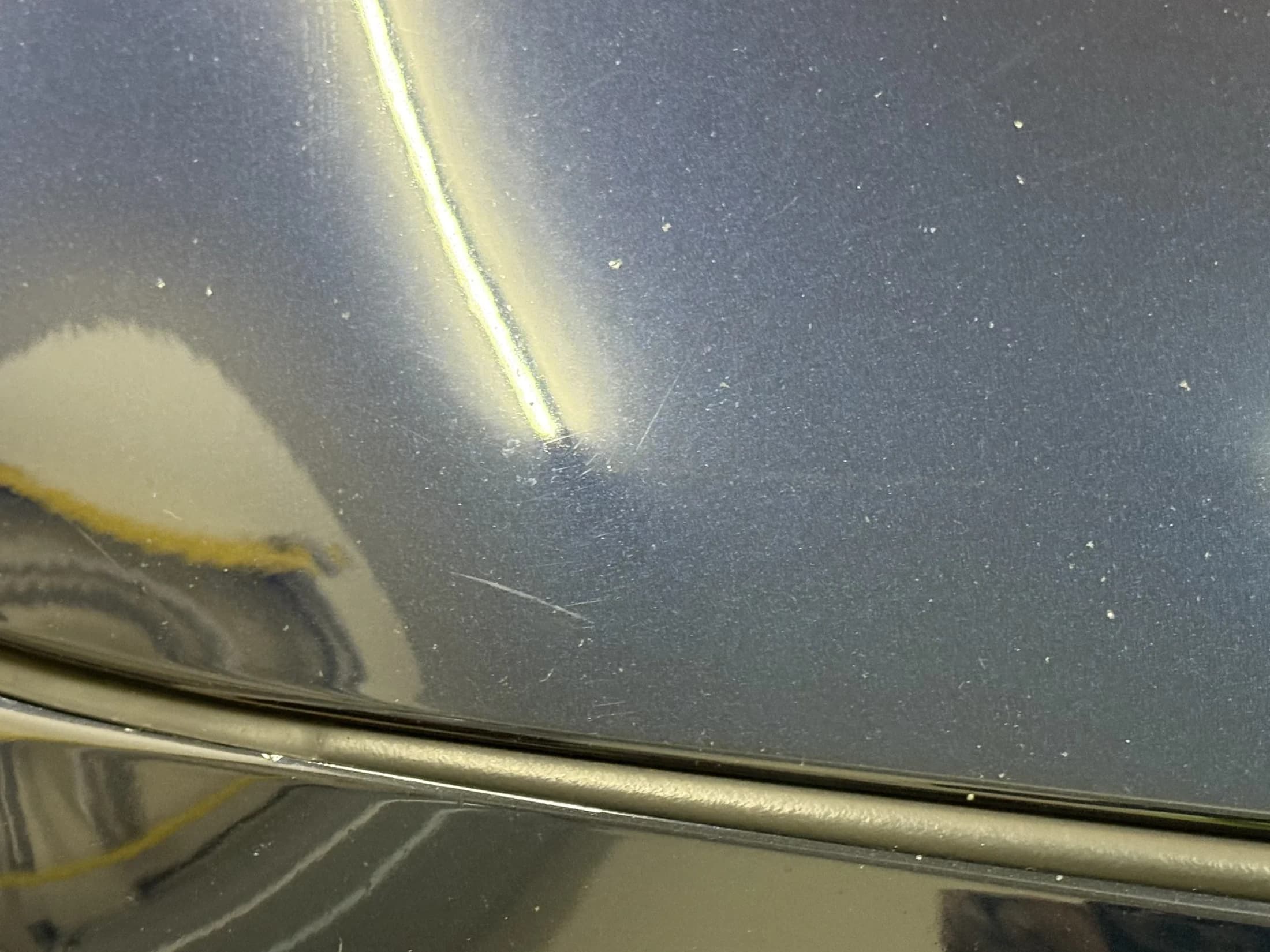
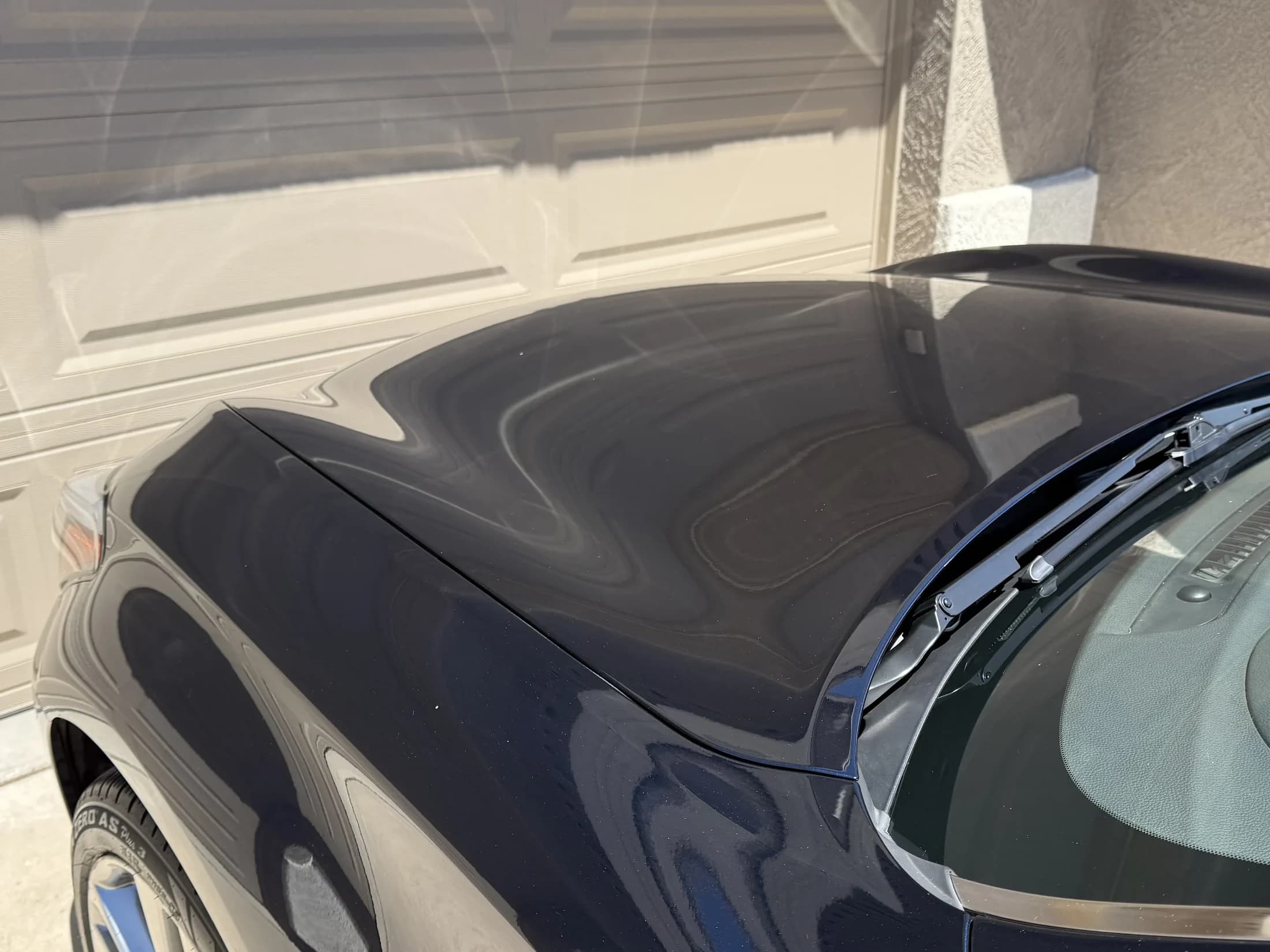
Paint correction removes or reduces defects within the clear coat; ceramic coating protects the finish that remains. They are not competing versions of the same service. If swirls, haze, or etching bother you, evaluate correction first. If the finish is already healthy, coating prep may be lighter, but inspection still decides the scope.
11 Mile Detail Co · 5 minute read
Questions this guide answers
Is paint correction the same as ceramic coating?
Do I need correction before coating?
How do cost and timing differ?
Can ceramic coating hide swirls or water spots?
What maintenance does each service require?
Which service should I request first?
| Decision | Paint correction | Ceramic coating |
|---|---|---|
| Primary job | Levels measurable clear-coat defects to improve clarity. | Adds a bonded protective layer over prepared paint. |
| Typical timing | One to three or more days. | Two to four days including cure. |
| Published starting point | $599 for a car Enhancement. | $1,049 for a car Ocotillo package. |
| Best fit | Visible swirls, haze, marring, or safe-to-chase etching. | Healthy or corrected paint needing multi-year protection. |
| Maintenance | Protect the finish and avoid abrasive washing. | Hand wash, use suitable chemistry, and inspect periodically. |
Is paint correction the same as ceramic coating?
No. Paint correction uses measured machine polishing to level a small amount of clear coat around defects, making swirls, wash marring, haze, and some etching less visible. Ceramic coating is a silica-derived protective layer applied after the finish is prepared. It improves resistance to UV exposure, chemicals, spotting, and wash wear, but it does not remove the defects underneath. Think of correction as finish work and coating as preservation. Phoenix dust does not care which label is on the bottle: if grit is dragged across coated paint during washing, marring can still happen. The services work best as a sequence when both appearance and long-term care matter.
If defects are visible, correction should be evaluated before a coating is installed.
Do I need correction before coating?
Every coating needs preparation, but not every vehicle needs heavy correction. At 11 Mile Detail Co., coating includes at least an Enhancement polish because the surface must be clean, stable, and visually ready before protection goes on. Paint in good condition may stop there. A finish with heavier swirls or etching may need a two-stage Correction, which targets roughly 85–95% defect removal when measurements and inspection show enough safe clear-coat headroom. Collector or show goals can require more. The point is not to chase a percentage blindly. Thin paint, previous repairs, and deep defects may set a lower safe limit. Inspection determines what should be improved, what should remain, and whether coating the result is a sensible next step.
How do cost and timing differ?
Published Paint Correction pricing starts at $599 for a car Enhancement, $899 for a two-stage car Correction, and $1,599 for a car Show Correction; vehicle size changes those figures. Published Ceramic Coating pricing starts at $1,049 for a car in the two-year Ocotillo tier, with five-year Saguaro and 7+ year Ironwood packages above it. A coating quote also includes the correction prep the paint requires, so comparing a coating bottle price with a finished package misses most of the labor. Correction usually takes one to three or more days. Coating takes two to four days including cure. Inspection comes before the final proposal because paint condition—not the customer's preferred package name—sets the honest scope.
Can ceramic coating hide swirls or water spots?
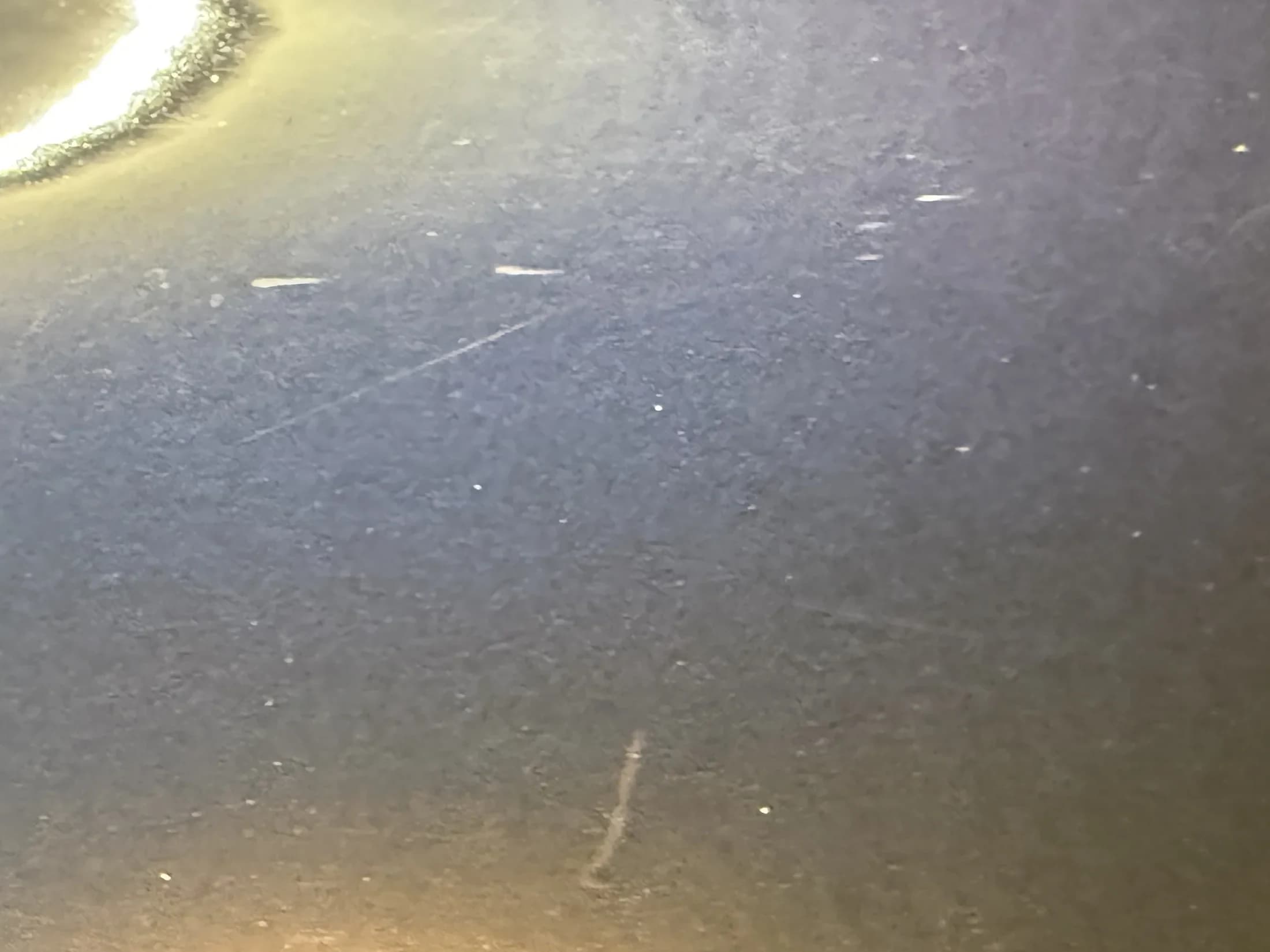
A coating may deepen gloss enough to make minor defects less obvious in soft light, but it does not level them. Under direct Phoenix sun or inspection lighting, swirls and etching remain in the clear coat below the coating. Mineral deposits also have two stages: fresh residue may be removable during decontamination, while etched spots have altered the clear coat and may need polishing. Coating over either one makes future correction more involved because the protective layer must be addressed before the paint underneath. This is why prep is the job. We inspect hard-water exposure, tunnel-wash marring, previous polishing, and repainted panels before recommending how far to correct. The goal is a stable finish worth preserving, not a shiny layer over unresolved damage.
What maintenance does each service require?
Correction changes the condition of the finish once; maintenance decides how quickly defects return. Use a clean wash mitt, separate dirty tools from paint tools, rinse Phoenix dust before touching the surface, and avoid automatic brushes. Add suitable protection after correction rather than leaving freshly refined paint bare. Coating makes washing easier because contamination releases more readily, but it still needs regular cleaning with compatible soap and careful drying. Hydrophobic behavior can weaken when minerals and traffic film clog the surface even though the coating remains present. Remove bird droppings and sprinkler water promptly, especially on a vehicle parked outside. Annual inspection is included with Ironwood; other tiers still benefit from periodic condition checks when water behavior or gloss changes noticeably.
Which service should I request first?
Request Paint Correction review when direct sun reveals swirls, the finish looks gray or hazy, water spots remain after washing, or a specific scratch is driving the decision. Request Ceramic Coating review when the paint is already healthy and you want easier cleaning plus multi-year UV and chemical resistance. If you are unsure, choose the goal rather than guessing the package: tell us what you see, how the vehicle is stored, how it is washed, and how long you plan to keep it. Send photos, then expect an in-person inspection before either correction or coating is finalized. The proposal should separate required prep from optional appearance improvement so you can see exactly where the money and time go.
Want honest eyes on your paint?
The inspection is free and the quote follows the paint. No obligation either way.