Level I
Enhancement
Single-stage polish. Removes roughly 50–70% of light defects. Appropriate for paint in good condition that needs a freshening pass before coating. About one day.
Quoted after inspection.
Service 02 of 05
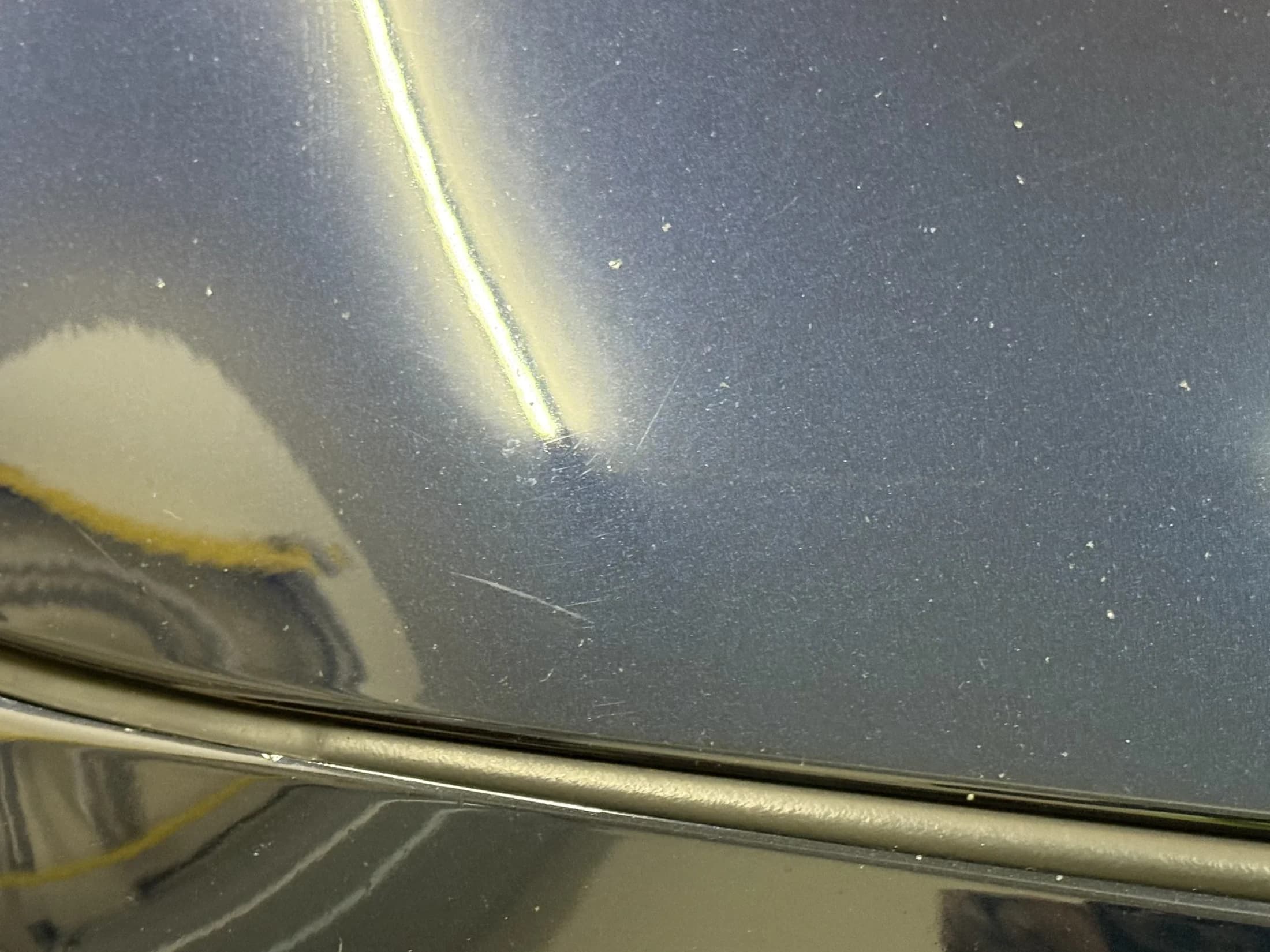
Inspection firstPaint correction is the process of removing clear-coat defects — swirls, wash marring, light scratches, and water-spot etching — through controlled abrasion (machine polishing calibrated to paint hardness). Every job is inspection-gated: we measure and inspect in person before a deposit is taken.
The inspection is free.
Level I
Single-stage polish. Removes roughly 50–70% of light defects. Appropriate for paint in good condition that needs a freshening pass before coating. About one day.
Quoted after inspection.
Level II
Two-stage correction — compound first to remove the heavier defects, refining polish second to bring the finish back up. Removes roughly 85–95% of defects. The default for enthusiast and collector paint. About two days.
Quoted after inspection.
Level III
Three-stage, multi-pass, per-panel finishing. Re-inspected under different lighting conditions between stages. Defect-free under direct sun and LED inspection. Minimum three days.
Quoted after inspection.
Paint correction is always inspection-gated. The quote is finalized in person before any deposit is requested.
Why we won't quote sight-unseen
Every correction removes a little of it, and every car has a different amount to give. Film-thickness readings and an honest look under the light bar tell us how far your paint can safely be taken — and sometimes, that the right answer is less work, not more. A price given over the phone ignores all of that.
The inspection is free, takes about thirty minutes, and you're welcome to watch.
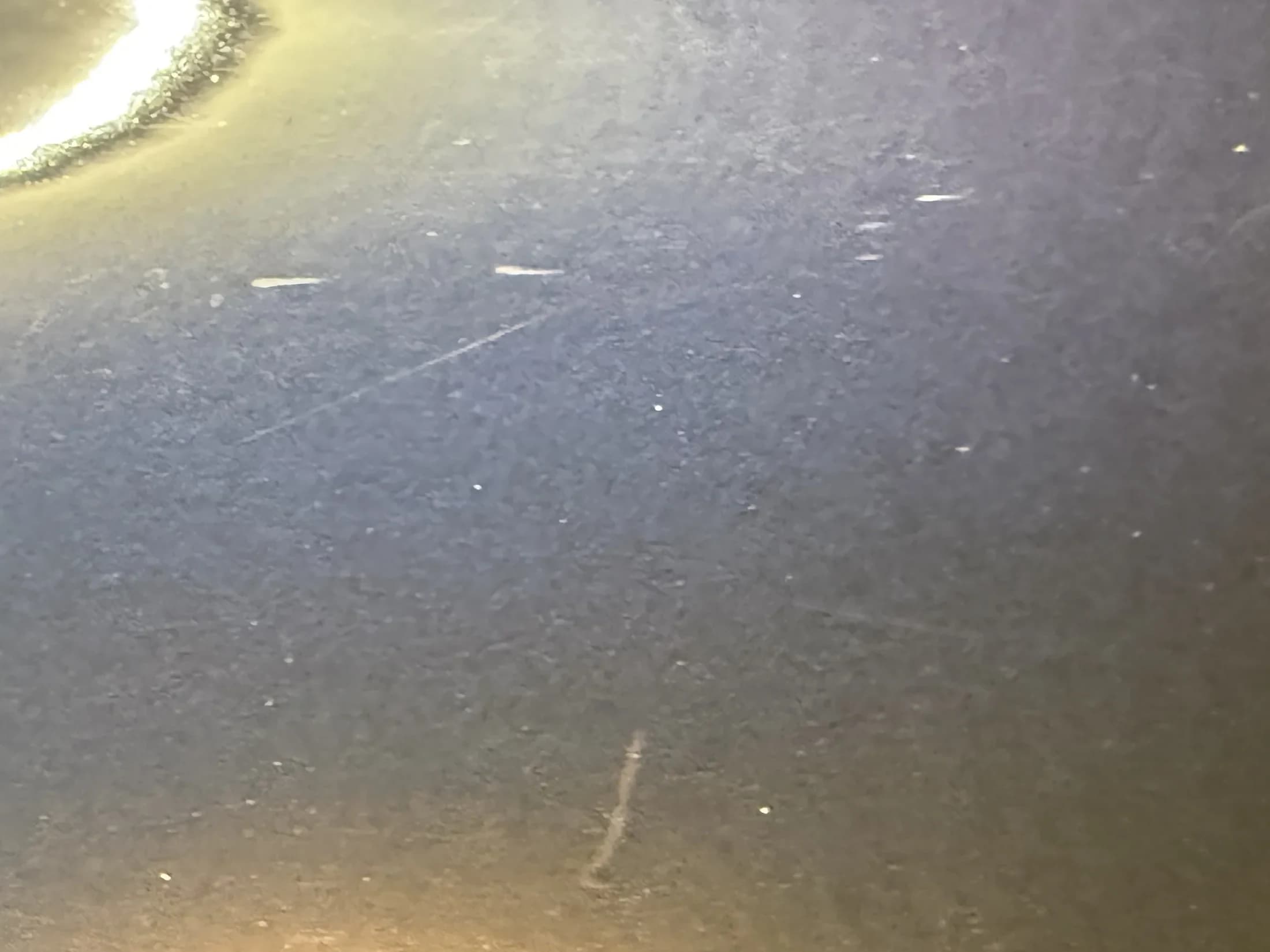
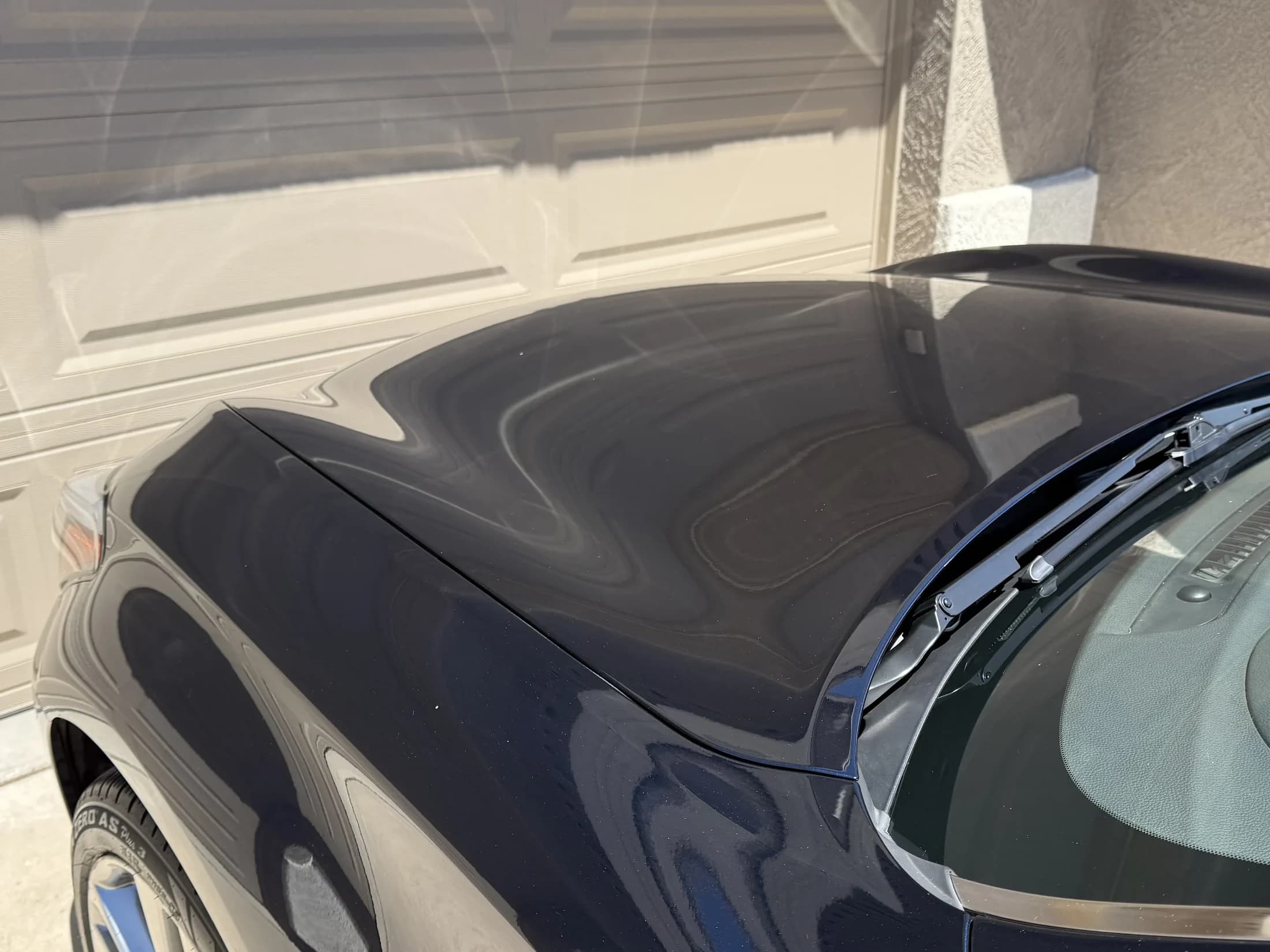
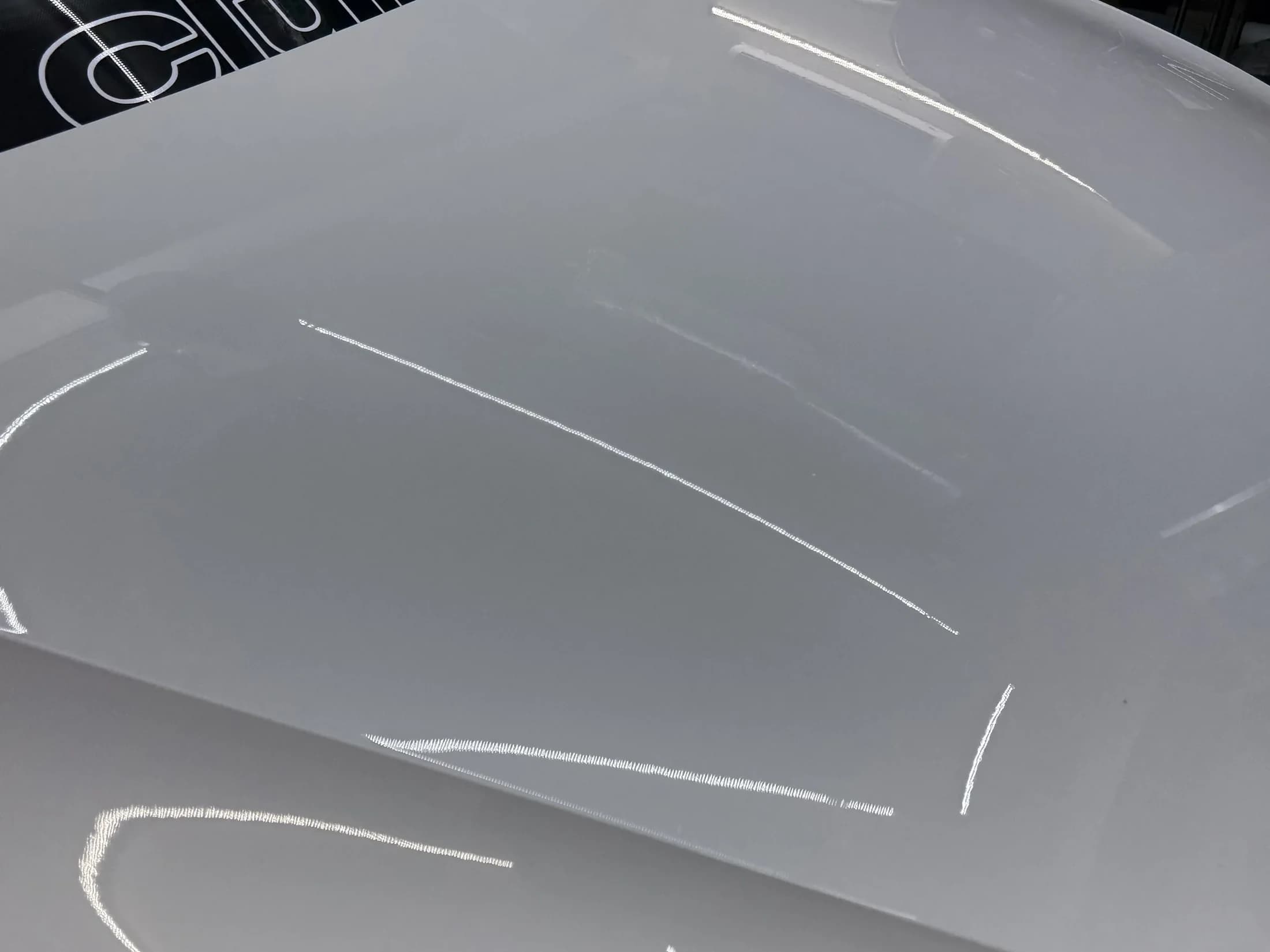
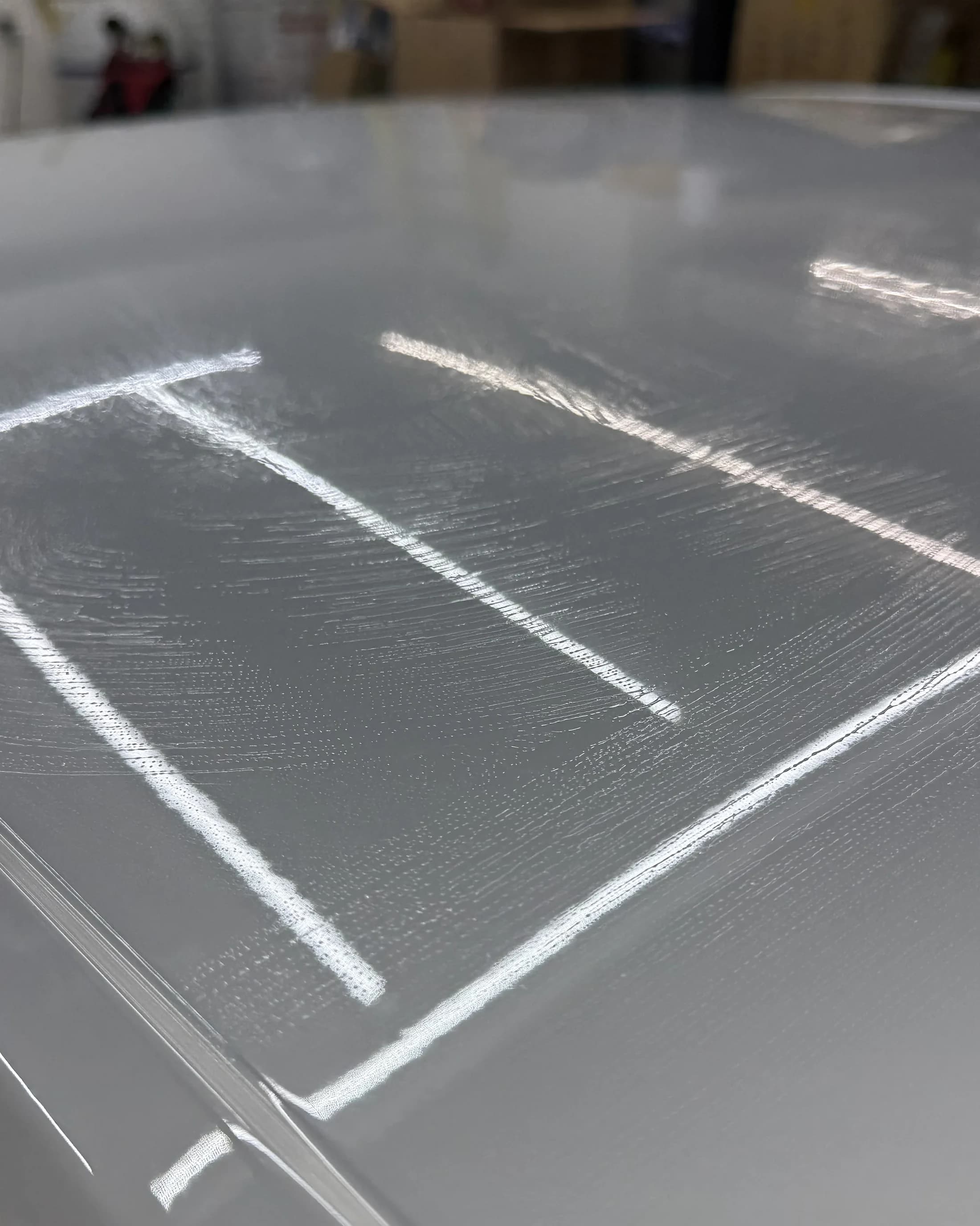
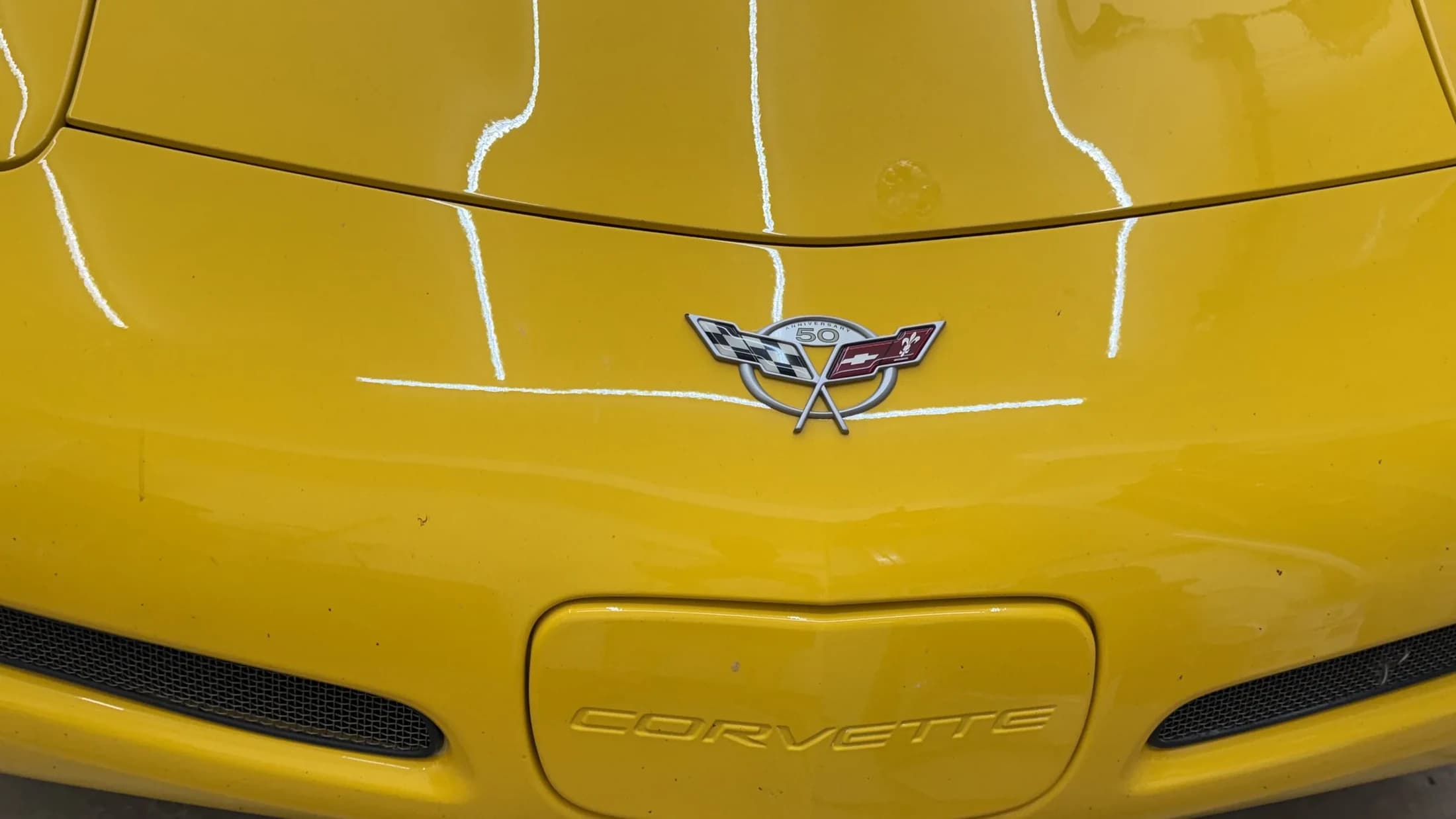
Correction is not a glaze, a filler wax, or an afternoon buff that looks good until the third wash. Those hide defects; we remove them. It's slower, it costs more, and it's the only version of this work we do.
Protect the corrected finish after prep and inspection confirm the right coating tier.
Ask about Ceramic Coating in your quote →Thirty minutes under the light bar tells us — and you — exactly what your paint needs.
Paint condition is too variable to price accurately from a photo. We measure clear-coat thickness and inspect under LED before quoting so the scope reflects the actual paint, not a guess — and so you are not committing a deposit to a number we haven't earned yet.
Yes. PPF (paint protection film — a clear urethane layer applied over the paint) is correctable and can be coated. Ceramic-over-PPF is a legitimate stack, and we will tell you directly when it is the right call and when it is not.
Scratches deep enough to break through the clear coat into the base coat or primer are not correctable through polishing. Factory orange peel and rock chips are also outside the scope of correction. We identify these at inspection and quote them separately if they can be addressed by a different process.
Paint correction improves the finish by leveling clear-coat defects through polishing. Ceramic coating protects the corrected finish after prep is complete. If the paint has swirls, haze, or water-spot etching, correction comes first; coating is the protection layer, not the defect-removal step.
Sometimes. Mineral spotting and light water-spot etching can often be reduced or removed, but spots that have cut too deeply into the clear coat may remain visible or may not be safe to chase. The inspection determines how much correction headroom the paint has.