Service 05 of 05

Headlight Restoration

Headlight oxidation is UV damage to the polycarbonate lens — the yellowing and haze is the lens surface itself degrading. We sand and polish the lens back to optical clarity through multiple stages, then apply a UV-stable ceramic coating to hold that clarity for years.

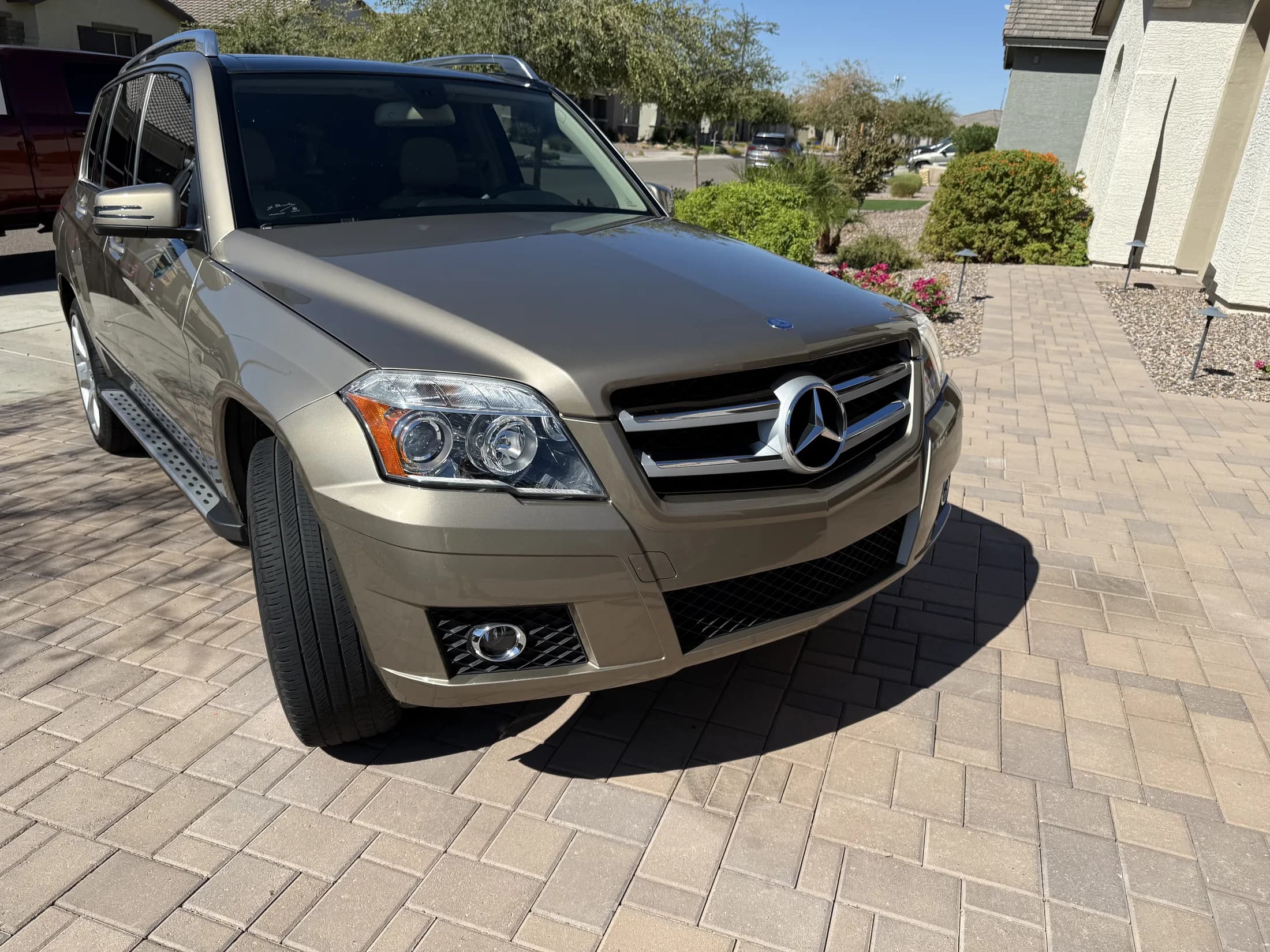
Mercedes GLK front end with clear projector headlamps after detailing.
Scope

What the work covers.

What's included

  • 01Full sand-and-polish restoration of oxidized lenses through multiple grit stages back to optical clarity
  • 02UV-stable ceramic coating finish applied to the restored surface — this is what delivers multi-year protection, not a consumer clear-coat-in-a-can
  • 03Post-cure check under LED to confirm the finish before release

What to expect

  1. 01Request a quote first — no inspection is usually required
  2. 02Drop off in the morning, pick up in the afternoon
  3. 03Lenses returned clear and UV-protected, finished to hold that clarity for multiple years under Phoenix sun

A good fit when

  • The lenses are yellowed, hazy, or cloudy from surface UV oxidation.
  • Night visibility and front-end presentation are being dragged down by dull lens surfaces.
  • You want a professional sand, polish, and ceramic finish instead of a short-lived wipe-on kit.

Not the right lane when

  • The lens is cracked, leaking, melted, or damaged inside the housing.
  • The issue is a bulb, ballast, wiring, or alignment problem rather than lens oxidation.
  • You need replacement housings matched and installed; this service restores lens surfaces only.

Headlight restoration is usually quoted from the form. Photos help confirm whether the issue is restorable oxidation or replacement-level damage.

Why the finish is ceramic, not a wipe-on kit

The haze is the lens surface itself failing.

Polycarbonate lenses oxidize under UV — the yellow cloud isn't dirt, it's the surface degrading. Wipe-on clear-coat kits cover that damage for a season or two before it returns. We sand and polish back to optical clarity through multiple stages first.

The UV-stable ceramic finish applied afterward is what holds that clarity for years under Phoenix sun, not a consumer lacquer in a bottle.

What this is not

This restores the outside lens surface — it doesn't repair cracked or leaking housings, internal condensation, or a failed bulb, ballast, or wiring issue. Those need repair before restoration makes sense.

Start with the quote request.

Send a couple of photos and we'll confirm whether it's restorable oxidation from the form alone.

Frequently Asked Questions

Yes. Those kits rely on a consumer lacquer clear coat that typically yellows again within 18 to 24 months. Our finish is a UV-stable ceramic coating applied to a properly sanded and polished lens — it holds clarity for several years under Phoenix UV, which is significantly more aggressive than national averages.

Several years under normal wash care — significantly longer than clear-coat kits. The ceramic is what provides the durability; the sanding and polishing stages underneath it determine the starting clarity.

It is included in the Pre-Trade-In Detail when the lenses need it. It is not included in the Complete Detail — if oxidized lenses need to be addressed alongside a Complete Detail, request it as a separate line.

Most modern lenses are polycarbonate, and Arizona UV attacks the outer surface once the factory hard coat wears down. Heat speeds the cycle, but UV exposure is the main cause of the yellow haze. Restoration removes the damaged surface and adds a UV-stable ceramic coating to slow the return.

No. This service restores the outside lens surface. Cracked lenses, leaking housings, internal condensation, melted plastic, failed bulbs, ballasts, or wiring issues need repair or replacement before surface restoration makes sense.